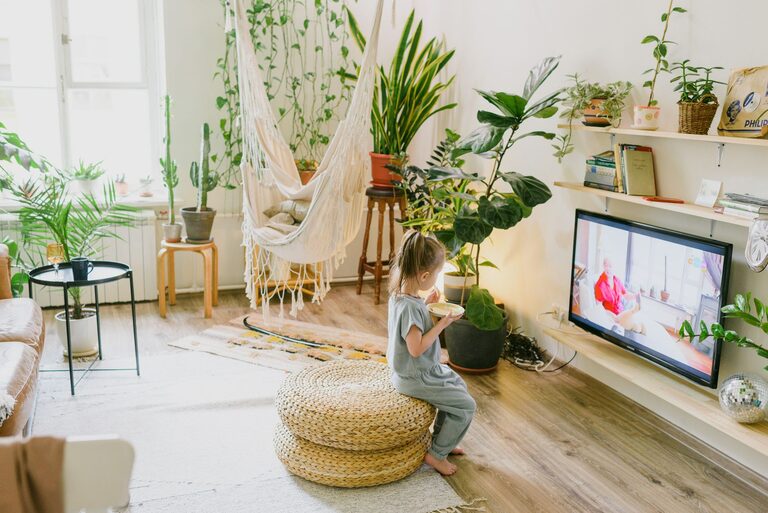
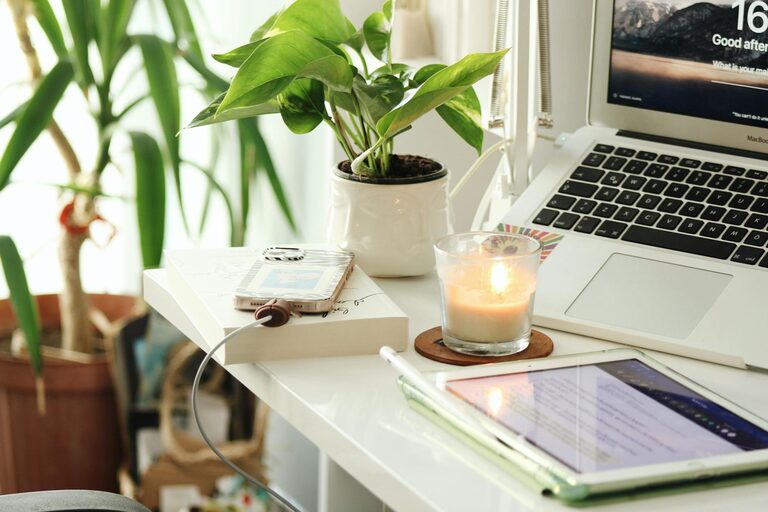
Creating a relaxing home office environment is essential for maintaining productivity and well-being, especially in today’s world where working from home has become more common. A calm and comfortable workspace can help you focus better, reduce stress, and make your workday more enjoyable. Here are some detailed tips to help you create a home office that feels both relaxing and efficient.
Choose the Right Location
When setting up your home office, location matters. Pick a space that is quiet and away from high-traffic areas to minimise distractions. If possible, choose a room with a door so you can separate work from home life easily. Natural light is an added bonus, so try to position your desk near a window.
Invest in Comfortable Furniture
Comfort is key to a relaxing workspace. Here are some furniture considerations:
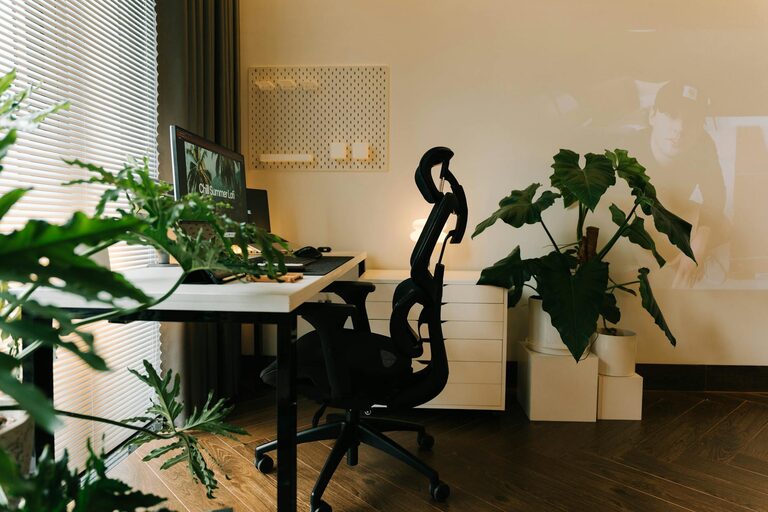
– Ergonomic Chair: Select a chair that supports your back and encourages good posture. Adjustable features allow you to tailor it to your needs.
– Desk Height: Your desk should allow you to work with your arms at a 90-degree angle to avoid strain.
– Footrest: If your feet don’t comfortably reach the floor, a footrest can help maintain proper posture.
Comfortable furniture reduces physical stress and helps maintain focus.
Organise Your Space Effectively
An organised desk positively affects your mindset. Clutter can cause distractions and make it harder to find what you need. To keep your workspace tidy:
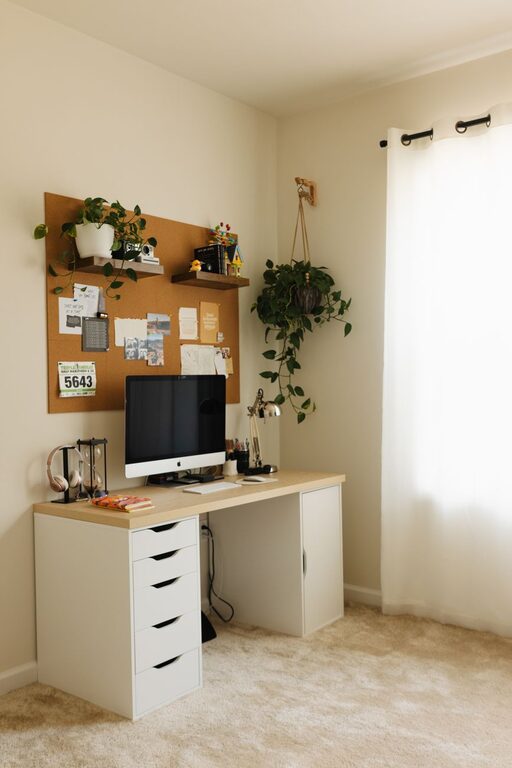
– Use storage solutions like drawers, shelves, or filing cabinets.
– Keep only essential items on your desk.
– Label storage containers to make retrieval simple.
– Regularly declutter to avoid piles of unnecessary papers or gadgets.
Having a clean and organised area promotes relaxation and productivity.
Personalise Your Workspace
Adding personal touches makes your office more inviting. Consider:
– Photo frames or artworks that inspire you.
– Plants to bring in natural elements and improve air quality.
– A favourite mug or a small decorative item for a comforting vibe.
Personalisation helps you feel connected and motivated.
Pay Attention to Lighting
Lighting affects both mood and alertness. Ideal lighting for a home office includes:
– Natural Light: Whenever possible, make use of daylight through windows.
– Task Lighting: A desk lamp with adjustable brightness helps reduce eye strain during detailed work.
– Ambient Lighting: Soft overhead lights create a warm and calming atmosphere.
Avoid harsh fluorescent bulbs as they can be tiring over time.
Incorporate Calming Colours
Colours influence emotions and concentration. For a relaxing home office, consider:
– Soft blues and greens, which promote calmness.
– Neutral tones like beige or soft grey for a clean and peaceful look.
– Avoid overly bright or intense colours, as they can be distracting.
You can apply these colours through wall paint, furnishings, or accessories.
Control Noise Levels
Noise can impact your concentration significantly. To create a quiet environment:
– Use rugs, curtains, or upholstered furniture to absorb sound.
– Consider noise-cancelling headphones if you can’t avoid background noise.
– Play soft instrumental music or white noise to mask distractions.
Maintaining a quiet or soothing auditory environment supports productivity.
Maintain Proper Air Quality and Temperature
Fresh air and comfortable temperatures help you feel alert and relaxed. Tips for improving air quality include:
– Open windows regularly to let in fresh air.
– Use an air purifier if needed.
– Adjust your thermostat to keep the room comfortably warm or cool.
Avoid stuffy or overly warm spaces, which can lead to discomfort or fatigue.
Take Regular Breaks and Move
A relaxing office isn’t just about the physical setup but also your work habits. To avoid strain and maintain focus:
– Follow the 20-20-20 rule: every 20 minutes, look at something 20 feet away for 20 seconds.
– Stand up, stretch, or take a short walk regularly.
– Use a timer or app to remind you to take breaks.
Movement refreshes your body and mind.
Incorporate Mindfulness Tools
Creating a relaxing atmosphere can also involve mindfulness techniques:
– Use essential oil diffusers with calming scents like lavender or eucalyptus.
– Keep a small journal for jotting down thoughts or gratitude.
– Place a small meditation cushion or space nearby.
These tools encourage relaxation during breaks or after work.
Keep Technology Organised and Minimise Distractions
While technology is essential, it can also cause distractions. To keep this under control:
– Use cable organisers to keep cords tidy.
– Turn off notifications for non-essential apps during work hours.
– Position screens and devices ergonomically to reduce glare and strain.
A streamlined tech setup supports a calm environment.
Final Thoughts
Designing a relaxing home office environment is about balancing comfort, organisation, and personal touches. Paying attention to lighting, noise, furniture, colours, and your own habits can transform your workspace into a place where you feel calm, focused, and ready to tackle your tasks. By making these adjustments, you can enjoy a more productive and stress-free workday right at home.
About the Author